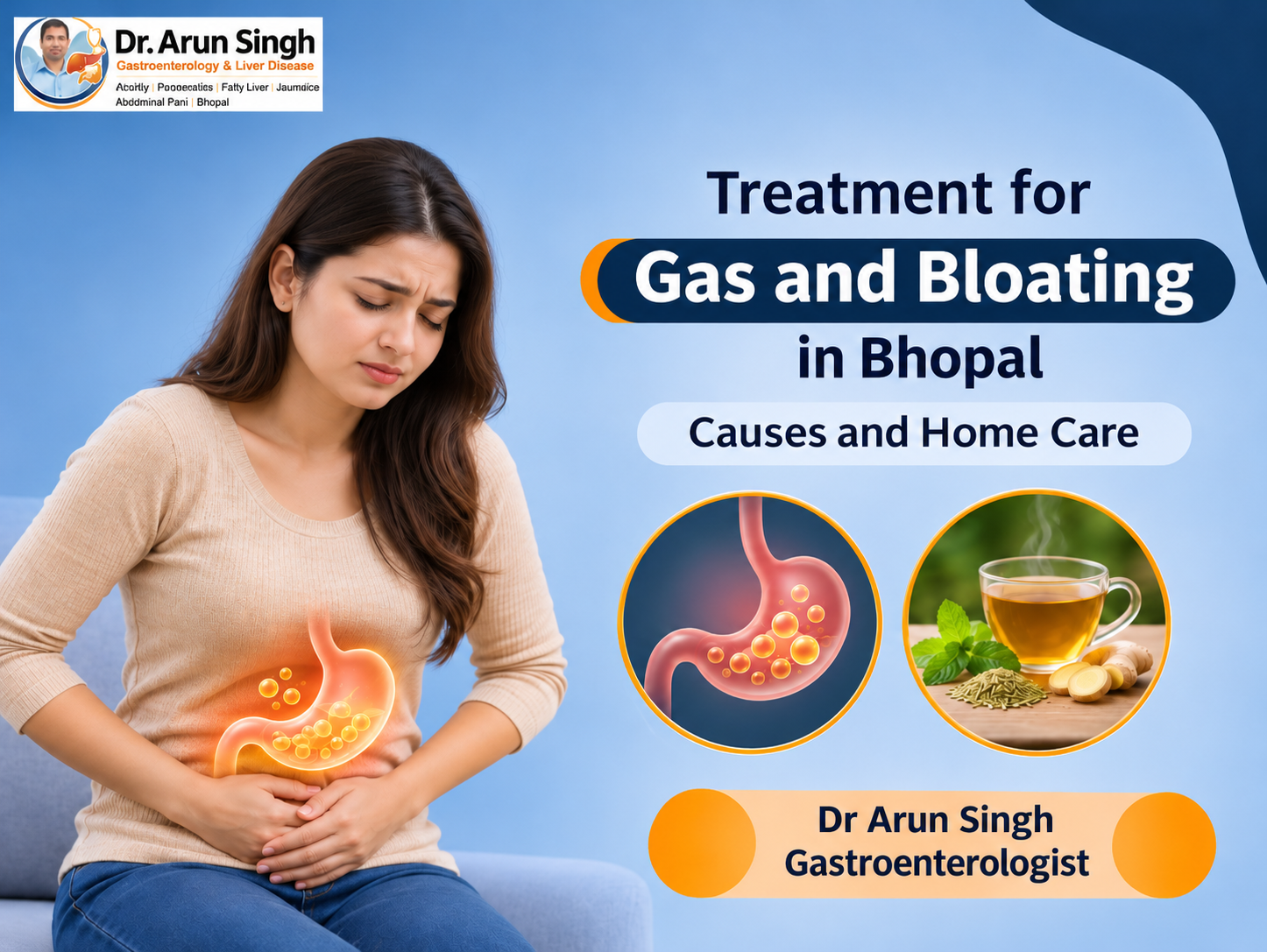
Gas and bloating are common digestive problems that can cause abdominal discomfort, excessive burping, stomach tightness and a feeling of fullness. These problems may occur after eating certain foods, consuming large meals or having irregular eating habits. However, frequent bloating and excessive gas can sometimes indicate an underlying digestive condition that requires medical attention.
People searching for the Treatment for Gas and Bloating in Bhopal should understand that effective treatment depends on identifying the actual cause of the symptoms. While occasional gas may improve with dietary changes and simple lifestyle adjustments, persistent digestive discomfort should not be ignored.
Dr. Arun Singh, Consultant Gastroenterologist in Bhopal, provides evaluation and treatment guidance for various digestive and liver-related conditions. A proper medical assessment can help identify whether symptoms are related to indigestion, constipation, food intolerance, irritable bowel syndrome or another gastrointestinal problem.
Understanding the causes, symptoms and available treatment options can help patients make informed decisions about their digestive health.
What Are Gas and Bloating?
Gas is a normal part of the digestive process. It develops when air enters the digestive tract during eating and drinking or when intestinal bacteria break down certain carbohydrates. Bloating refers to a feeling of fullness, pressure or swelling in the abdomen. Some people experience bloating without visible abdominal enlargement, while others notice that their stomach becomes larger than usual after meals.
Common symptoms include:
-
Excessive burping or belching
-
Passing gas frequently
-
Abdominal fullness or tightness
-
Stomach swelling after meals
-
Mild abdominal cramps
-
Rumbling sounds in the stomach
-
Discomfort after eating
-
Feeling full quickly
People looking for Gas and Bloating Treatment in Bhopal should understand that these symptoms can have different causes. Therefore, treatment should be based on the patient’s medical history, symptoms and examination.
What Causes Gas and Bloating?
Several factors can contribute to excessive gas production and abdominal bloating. Identifying these factors is an important step towards improving digestive health.
1. Eating Too Quickly
Eating quickly can cause people to swallow more air than usual. This air may contribute to burping, abdominal pressure and discomfort.
2. Consumption of Gas-Producing Foods
Certain foods contain carbohydrates that are not completely digested in the small intestine. Intestinal bacteria break them down and produce gas.
Common examples include:
-
Beans and lentils
-
Cabbage and cauliflower
-
Onions
-
Some dairy products
-
Carbonated beverages
-
Certain high-fibre foods
3. Constipation
When bowel movements become irregular, stool may remain in the intestine for longer periods. This can contribute to abdominal discomfort, pressure and bloating.
4. Food Intolerance
Some individuals have difficulty digesting specific food components, such as lactose found in milk and dairy products. This can lead to gas, abdominal cramps and diarrhoea after consuming affected foods.
5. Overeating and Irregular Eating Habits
Eating large portions, skipping meals and consuming heavy meals late at night may worsen digestive discomfort in some individuals.
6. Digestive Disorders
Conditions such as irritable bowel syndrome (IBS), functional dyspepsia, gastroesophageal reflux disease and small intestinal bacterial overgrowth may contribute to recurring digestive symptoms.
A consultation with a Gastroenterologist in Bawadiya Kalan, Bhopal can help evaluate persistent symptoms and identify whether an underlying gastrointestinal condition is present.
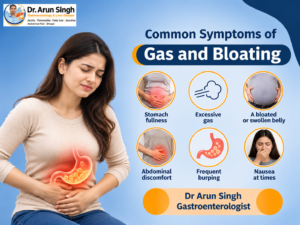
Common Symptoms of Gas and Bloating
The symptoms may differ depending on the cause, frequency and severity of the digestive problem.
Some commonly reported symptoms include:
Abdominal Fullness: A feeling of pressure or heaviness in the stomach, particularly after eating.
Frequent Burping: Releasing swallowed air through the mouth, sometimes repeatedly after meals.
Excessive Flatulence: Passing gas more frequently than usual.
Abdominal Pain: Mild cramps or discomfort caused by trapped gas or digestive disturbances.
Visible Stomach Swelling: The abdomen may appear larger than usual because of bloating.
Changes in Bowel Movements: Some patients may experience constipation, loose stools or alternating bowel habits.
People experiencing recurring symptoms may require Gas Problem Treatment in Kolar Road, Bhopal or a specialist consultation to determine the underlying cause rather than relying only on temporary relief.
How Is Gas and Bloating Diagnosed?
Accurate diagnosis is important when symptoms occur frequently or do not improve with basic dietary changes. A doctor generally evaluates the patient’s symptoms, eating habits, bowel movements and medical history.
1. Medical History
The doctor may ask about:
-
Duration and frequency of bloating
-
Foods that trigger symptoms
-
Bowel movement patterns
-
Previous digestive problems
-
Current medicines and supplements
-
Associated symptoms such as pain or vomiting
2. Physical Examination
An abdominal examination may help identify tenderness, swelling or other signs that require further investigation.
3. Blood Tests
Blood investigations may be recommended when the doctor suspects an underlying condition such as inflammation, anaemia or coeliac disease.
4. Stool Tests
Stool investigations may be useful in selected patients, depending on their symptoms and suspected digestive condition.
5. Additional Investigations
Depending on the findings, the doctor may recommend ultrasound, abdominal X-rays, endoscopy, breath tests or other investigations.
For patients considering Stomach Bloating Treatment near Misrod, Bhopal, the choice of investigation should depend on the symptoms and clinical examination. Not every patient requires all these tests.
What Is the Treatment for Gas and Bloating?
The Treatment for Gas and Bloating in Bhopal depends on the underlying reason for excessive gas or abdominal discomfort. Treatment may involve dietary adjustments, lifestyle changes, medicines or management of an associated digestive condition.
1. Dietary Modifications
Changing food habits can help reduce symptoms in many individuals.
Doctors may recommend:
-
Eating smaller meals at regular intervals
-
Identifying foods that trigger symptoms
-
Reducing carbonated beverages
-
Limiting excessive fried and fatty foods
-
Eating slowly and chewing food properly
-
Avoiding foods that cause individual intolerance
A Digestive Health Specialist in Arera Colony, Bhopal can help patients understand which dietary changes may be suitable for their digestive condition.
2. Medicines for Gas and Bloating
Depending on the cause, a doctor may recommend medicines to manage gas, acidity, constipation or other associated digestive problems.
Some patients may benefit from medicines such as simethicone for gas-related symptoms. However, medication selection depends on the patient’s condition, medical history and other medicines being taken.
3. Treatment for Constipation
If constipation contributes to bloating, treatment may include appropriate fibre intake, adequate hydration, physical activity and medicines when required.
4. Management of Food Intolerance
Patients with lactose intolerance or other food-related digestive problems may need specific dietary adjustments. Identifying the trigger is important to prevent repeated discomfort.
5. Treatment of Underlying Digestive Conditions
If bloating is associated with IBS, functional dyspepsia, reflux or another gastrointestinal disorder, treatment should focus on managing that condition.
For people seeking Gas and Bloating Treatment in Bhopal, a specialist-led approach can help distinguish temporary digestive discomfort from recurring gastrointestinal problems.
Home Remedies and Natural Ways to Reduce Gas and Bloating
Mild and occasional gas may improve with simple home-care measures. However, home remedies should not replace medical evaluation when symptoms are persistent or severe.
1. Drink Sufficient Water
Maintaining adequate hydration supports normal bowel movements. It may be particularly helpful for people whose bloating is associated with constipation.
2. Eat Slowly
Chewing food properly and eating without rushing can reduce the amount of air swallowed during meals.
3. Take a Short Walk After Meals
Gentle walking after eating may support normal digestive movement and help some people feel more comfortable.
4. Avoid Excessive Carbonated Drinks
Soft drinks and other fizzy beverages can increase swallowed gas and contribute to burping and bloating.
5. Identify Food Triggers
Maintain a food diary to record meals and symptoms. This may help identify whether certain foods are associated with recurring digestive discomfort.
6. Maintain Regular Meal Timings
Eating balanced meals at consistent intervals may help avoid overeating and improve eating habits.
7. Include Fibre Carefully
Fibre supports bowel health, but suddenly increasing fibre intake may worsen gas in some people. Increase it gradually and maintain adequate water intake.
These measures can support digestive health, but they may not address every cause. Patients seeking Gas Problem Treatment in Kolar Road, Bhopal should consider specialist evaluation if symptoms continue despite lifestyle changes.
Foods to Eat and Avoid During Gas and Bloating
Food choices can influence digestive symptoms. However, the same food may affect different individuals differently.
| Foods that may be easier to tolerate | Foods that may trigger symptoms |
|---|---|
| Rice | Carbonated beverages |
| Oats | Large portions of beans |
| Bananas | Cabbage and cauliflower |
| Cooked vegetables | Excessively fatty foods |
| Adequate water | Foods containing personal intolerance triggers |
| Light, balanced meals | Sugar-free products containing certain sugar alcohols |
People with recurring symptoms should avoid eliminating multiple food groups without professional guidance. A Digestive Health Specialist in Arera Colony, Bhopal can help determine whether a specific dietary approach is appropriate.
When Should You Consult a Gastroenterologist?
Occasional gas is generally normal. However, frequent or persistent bloating should be evaluated, especially when it interferes with everyday activities.
Consult a doctor if you experience:
-
Frequent abdominal bloating
-
Persistent stomach discomfort
-
Repeated constipation or diarrhoea
-
Unexplained weight loss
-
Blood in the stool
-
Loss of appetite
-
Recurrent nausea or vomiting
-
Feeling full unusually quickly
Severe sudden abdominal pain, vomiting blood, or inability to pass stool or gas with abdominal swelling requires urgent medical attention.
Patients looking for a Gastroenterologist in Bawadiya Kalan, Bhopal should not delay consultation when digestive symptoms are persistent or accompanied by warning signs.
Who Is at Higher Risk of Recurring Gas and Bloating?
Certain individuals may experience digestive symptoms more frequently because of their eating habits, medical conditions or digestive sensitivity.
These may include:
-
People with lactose intolerance
-
Individuals with chronic constipation
-
People diagnosed with IBS
-
Individuals who frequently consume carbonated drinks
-
People who eat very quickly
-
Individuals with certain gastrointestinal disorders
-
People taking medicines that affect digestion
An appropriate evaluation can help identify individual risk factors and guide the treatment plan.

Lifestyle Changes for Better Digestive Health
Healthy daily habits can support normal digestion and reduce the frequency of certain digestive symptoms.
Maintain a Balanced Diet
Choose a balanced diet containing suitable portions of vegetables, fruits, whole grains and protein. Adjust food choices according to individual tolerance.
Exercise Regularly
Walking and other suitable physical activities can support bowel regularity and general digestive health.
Avoid Overeating
Eating smaller portions and avoiding very heavy meals may reduce post-meal discomfort.
Manage Stress
Stress can influence gut function and may worsen symptoms in people with certain functional digestive disorders.
Maintain a Food Diary
Recording food intake and digestive symptoms can help identify patterns and discuss possible triggers during a consultation.
People considering Indigestion Treatment in Salaiya, Bhopal should also understand that long-term digestive health depends on identifying the cause rather than repeatedly treating symptoms.
About Dr. Arun Singh – Gastroenterologist in Bhopal
Dr. Arun Singh is an experienced Consultant Gastroenterologist in Bhopal with more than 12 years of clinical experience in managing digestive, liver and gastrointestinal disorders. His academic qualifications include MBBS and MD in General Medicine, followed by DM in Medical Gastroenterology from SGPGI, Lucknow, one of India’s respected medical institutions.
His clinical approach focuses on understanding patients’ symptoms, identifying the underlying cause of digestive problems and providing appropriate treatment guidance. Patients looking for a Gastroenterologist in Bawadiya Kalan, Bhopal can seek specialist consultation for recurring gas, bloating, acidity, abdominal discomfort and other gastrointestinal concerns.
Why Choose Dr. Arun Singh for Digestive Health Care?
Choosing an experienced specialist is important when digestive symptoms become frequent or affect daily life.
Dr. Arun Singh focuses on:
-
Accurate evaluation of digestive symptoms
-
Understanding the underlying causes of gastrointestinal problems
-
Appropriate diagnostic investigations
-
Individualised treatment planning
-
Guidance regarding dietary and lifestyle changes
-
Long-term digestive health management
Patients seeking Gas and Bloating Treatment in Bhopal can benefit from a structured evaluation rather than depending entirely on temporary remedies.
Local Access to Digestive Care in Bhopal
People experiencing recurring digestive problems may search for specialist consultation in different localities of Bhopal. For those considering a Gastroenterologist in Bawadiya Kalan, Bhopal, a consultation can help evaluate recurring abdominal discomfort, excessive gas and changes in bowel habits. Patients looking for Gas Problem Treatment in Kolar Road, Bhopal should understand that symptoms may be associated with food intolerance, constipation or other gastrointestinal conditions.
Similarly, people searching for Stomach Bloating Treatment near Misrod, Bhopal may require dietary evaluation and appropriate investigations depending on their symptoms. A Digestive Health Specialist in Arera Colony, Bhopal can help patients understand recurring digestive complaints and possible treatment approaches. Those looking for Indigestion Treatment in Salaiya, Bhopal should consider medical assessment when symptoms continue despite dietary and lifestyle adjustments. TheTreatment for Gas and Bloating in Bhopal should always be based on the patient’s individual symptoms, diagnosis and medical history.
Frequently Asked Questions – Treatment for Gas and Bloating in Bhopal
1. What is the main cause of gas and bloating?
Common causes include swallowing excess air, eating gas-producing foods, constipation, food intolerance and certain digestive disorders. The exact cause varies from person to person.
2. How can I reduce gas and bloating naturally?
Eating slowly, drinking sufficient water, avoiding carbonated beverages, taking regular walks and identifying food triggers may help reduce occasional symptoms.
3. When should I consult a gastroenterologist for bloating?
You should consult a gastroenterologist if bloating occurs frequently, does not improve with lifestyle changes or is associated with abdominal pain, vomiting, constipation, diarrhoea or unexplained weight loss.
4. Can constipation cause gas and bloating?
Yes. Constipation can contribute to abdominal fullness, discomfort and bloating. Managing constipation may help improve these symptoms.
5. Which foods should I avoid during bloating?
Some individuals experience symptoms after consuming beans, lentils, cabbage, cauliflower, carbonated beverages and dairy products. Avoid only the foods that consistently trigger your symptoms.
6. Can gas and bloating indicate IBS?
Yes. Bloating and abdominal discomfort are common symptoms of irritable bowel syndrome. However, diagnosis requires medical assessment and consideration of other possible causes.
7. Is daily bloating normal?
Occasional bloating is common, but persistent or frequent symptoms should be evaluated to identify possible digestive problems.
8. Can drinking water help reduce bloating?
Adequate water intake supports normal bowel movements and may help when bloating is associated with constipation. However, it does not treat every cause of bloating.
9. Which doctor treats frequent gas and stomach bloating?
A gastroenterologist specialises in digestive system disorders and can evaluate recurring gas, bloating, acidity, constipation and other gastrointestinal symptoms.
10. What is the treatment for gas and bloating?
The Treatment for Gas and Bloating in Bhopal depends on the underlying cause. Dietary modifications, lifestyle changes and appropriate medicines may help. A gastroenterologist can recommend a suitable treatment plan after evaluation.
Conclusion – Treatment for Gas and Bloating in Bhopal
Gas and bloating are common digestive complaints, but frequent symptoms should not be ignored. Although simple dietary and lifestyle changes may provide relief in some cases, recurring discomfort can sometimes indicate an underlying gastrointestinal condition. For people searching for the Treatment for Gas and Bloating in Bhopal, identifying the actual cause is the most important step. Whether symptoms are associated with constipation, food intolerance, IBS or other digestive disorders, appropriate medical evaluation can help determine the next steps.
Patients considering Gas and Bloating Treatment in Bhopal should consult a qualified specialist when symptoms persist. Similarly, those searching for Gas Problem Treatment in Kolar Road, Bhopal, Stomach Bloating Treatment near Misrod, Bhopal or a Gastroenterologist in Bawadiya Kalan, Bhopal should prioritise proper diagnosis.
A Digestive Health Specialist in Arera Colony, Bhopal can help evaluate recurring digestive symptoms, while patients considering Indigestion Treatment in Salaiya, Bhopal may benefit from an individualised approach to digestive care. Dr. Arun Singh provides consultation for digestive and gastrointestinal concerns in Bhopal. Understanding symptoms early, following appropriate medical advice and maintaining healthy eating habits can support better long-term digestive health.